Sam Günther · 10 October 2026
Lichens as Silent Witnesses: How Fungal-Algal Duos Indicate Air Quality Trends in Expanding Metropolises
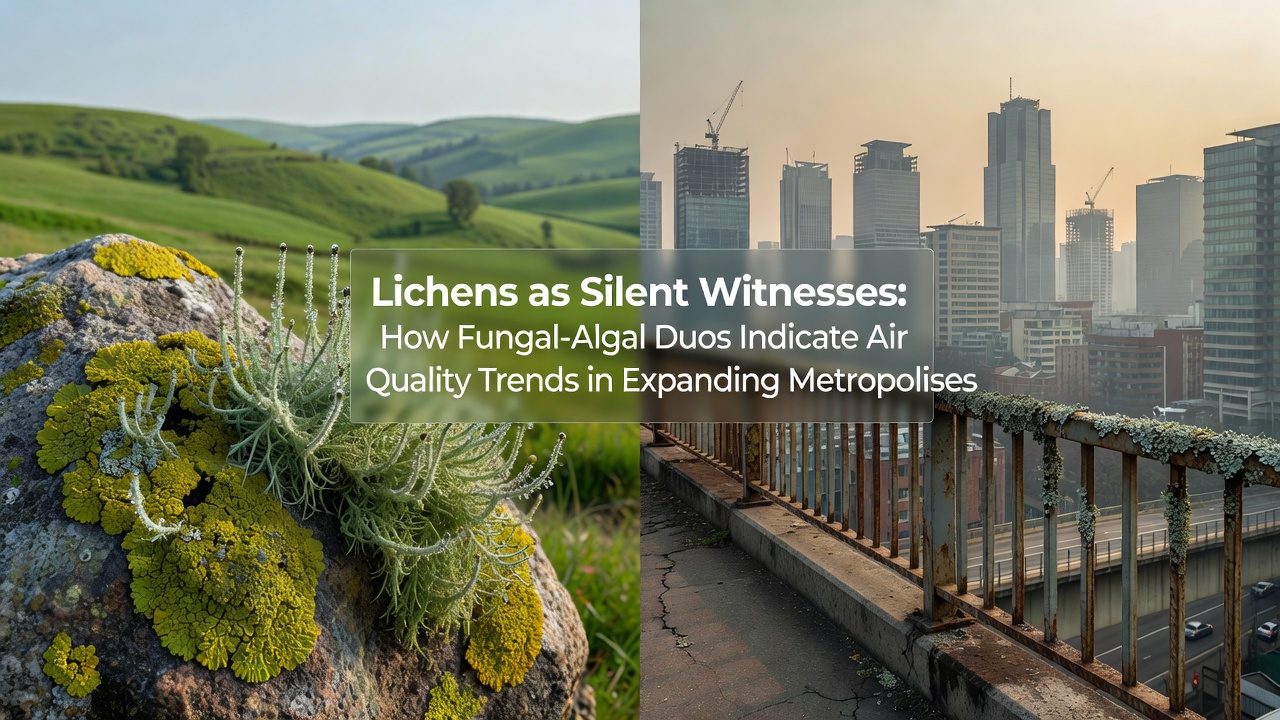
Lichens form through a symbiotic partnership between fungi and algae or cyanobacteria where the fungal partner provides structure and protection while the photosynthetic partner supplies energy through carbon fixation and this relationship allows lichens to colonize harsh urban substrates like concrete, brick, and metal that few other organisms tolerate.
Biology Behind the Duo
The fungal component typically belongs to Ascomycota and creates a thallus that houses the algal cells in a protected layer where gas exchange occurs through pores and this setup enables the organism to absorb nutrients and water directly from the atmosphere rather than through roots so pollutants in the air become concentrated within the lichen body over time and researchers measure these accumulations to track environmental changes.
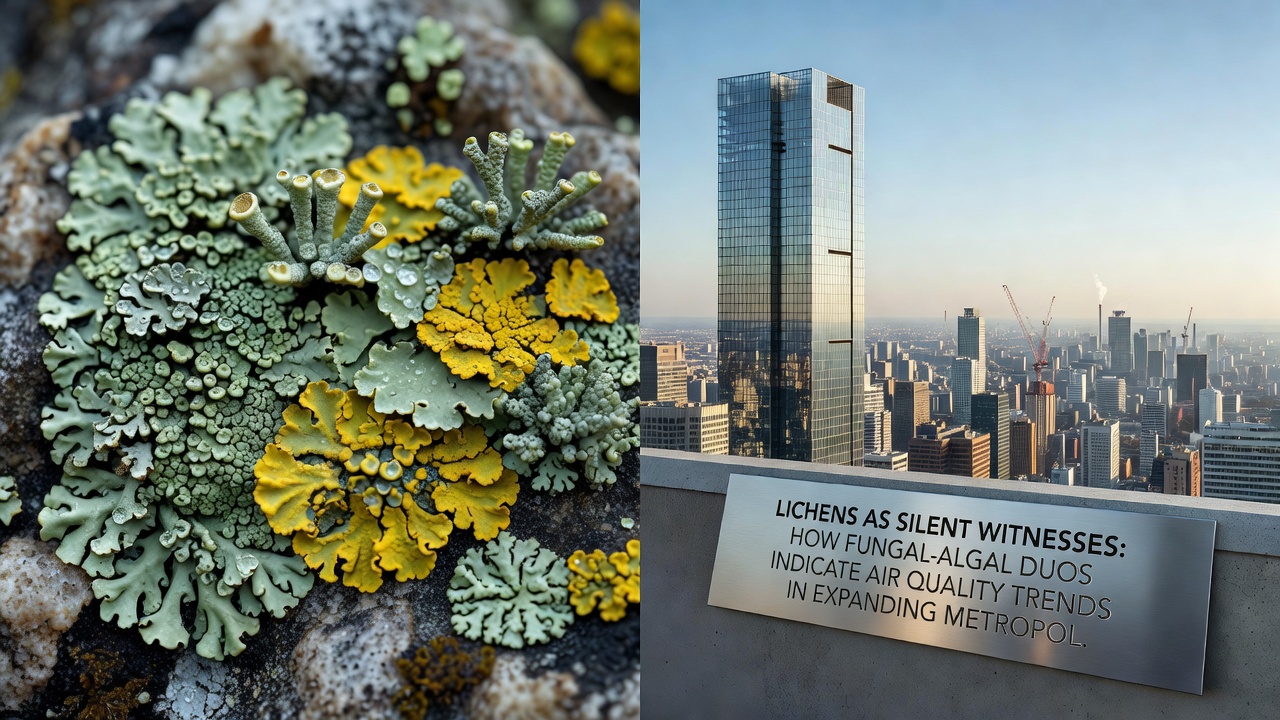
Species such as Xanthoria parietina thrive in nitrogen-rich zones near traffic corridors while others like Hypogymnia physodes decline sharply when sulfur dioxide concentrations rise and these differential tolerances create visible patterns across cityscapes that map pollution gradients without teh need for continuous electronic sensors.
Role as Bioindicators in Urban Expansion
Expanding metropolises release mixtures of nitrogen oxides, particulate matter, and volatile organic compounds from construction, vehicles, and industry and lichens respond by altering growth rates, changing thallus color, or disappearing entirely from affected zones so observers note these shifts as early signals before widespread human health impacts register in hospital data.
Studies conducted across multiple continents show that lichen diversity drops by as much as 60 percent within 5 kilometers of major industrial corridors while tolerant species increase in abundance and this replacement pattern provides a low-cost method for mapping air quality trends over decades.
Monitoring Methods and Data Collection
Researchers establish transects from city centers outward to rural edges and record species presence, cover percentage, and elemental content through laboratory analysis of collected samples and these surveys repeated seasonally reveal seasonal spikes in pollutants tied to heating demands or construction cycles.
Techniques include mapping with handheld GPS devices, photographic documentation of thalli, and chemical assays for heavy metals such as lead and cadmium that lichens sequester at rates far higher than surrounding air concentrations and data from such programs feed into larger environmental databases maintained by agencies like the US Environmental Protection Agency.
What's interesting is how these biological records complement satellite imagery and fixed monitoring stations by filling gaps in coverage across informal settlements and rapidly developing districts where infrastructure lags behind population growth.
Observed Trends in October 2026
In October 2026 monitoring networks in cities across North America and Europe reported continued recovery of sensitive lichen species in zones where emission controls tightened over the previous five years while areas undergoing rapid highway expansion showed fresh declines in diversity and this pattern aligns with traffic volume data collected by municipal authorities.
Analyses from research institutions including the University of British Columbia indicate that nitrogen deposition from vehicle exhaust remains the dominant driver of community shifts in sprawling suburbs and these findings help planners prioritize green corridors that reduce pollutant loads and support lichen recolonization.
Integration with Broader Environmental Programs
City governments incorporate lichen surveys into sustainability reports because the organisms provide continuous, passive sampling across wide areas at minimal expense and programs in Australia coordinated through the Commonwealth Scientific and Industrial Research Organisation have extended this approach to track dust and metal fallout from mining operations near urban fringes.
Long-term datasets spanning 20 years demonstrate that lichen-based indices correlate strongly with measured concentrations of fine particulate matter and ozone and this correlation strengthens the case for using biological indicators alongside regulatory air quality standards.
Future Applications in Growing Cities
As metropolises continue to expand planners examine lichen distributions to identify pollution hotspots that require intervention before regulatory thresholds are breached and citizen science initiatives train residents to photograph and upload observations that expand coverage beyond professional teams.
Advances in image recognition software now allow automated identification of common urban species from smartphone photos and this development accelerates data collection while maintaining scientific rigor through verification protocols established by academic partners.
Conclusion
Lichens serve as integrated recorders of atmospheric conditions in expanding urban environments where their presence, absence, and chemical composition reflect cumulative exposure to pollutants from traffic, industry, and construction and ongoing monitoring programs continue to refine these biological tools for use alongside conventional instrumentation.